Gentle beats aggressive

Cleaning tools that protect what they clean.

fDevices builds subsea cleaning equipment that removes marine fouling without the collateral damage of aggressive methods — no stripped coatings, no uprooted ecosystems, no unnecessary risk to operators. Our surface cleaners are in the market and proven subsea.

Products

One family of tools, one principle: remove the fouling, protect everything else.

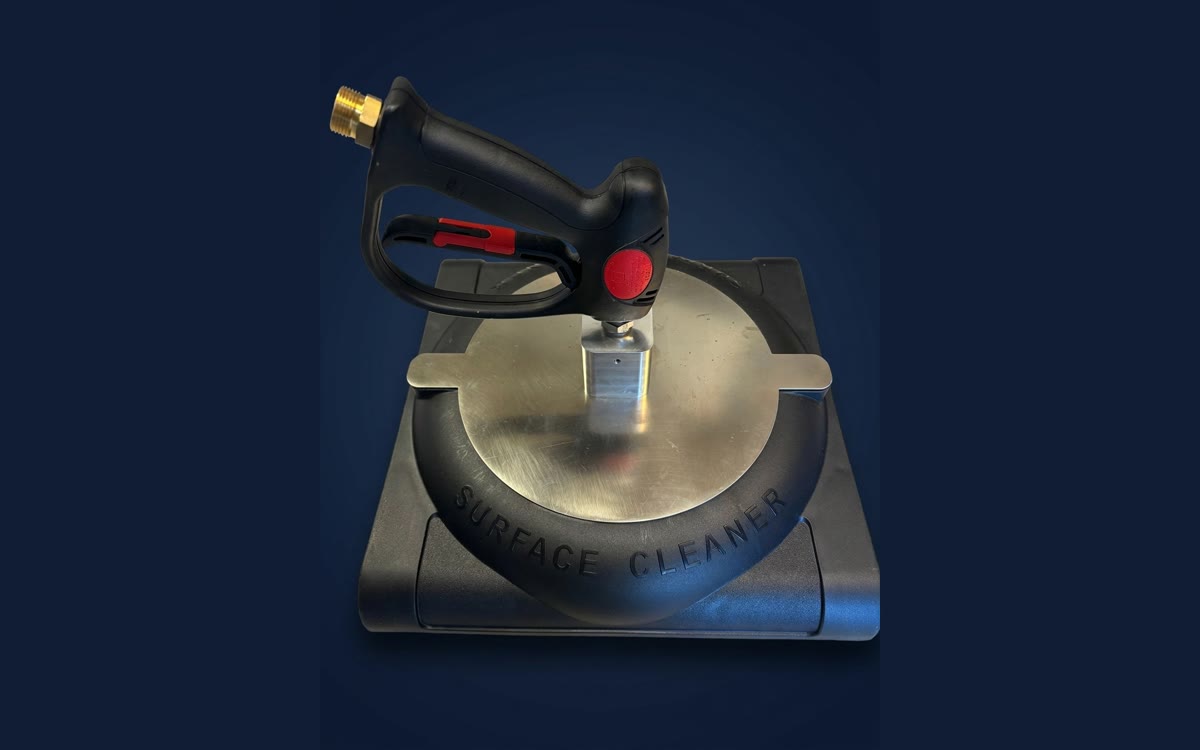
Photograph of the fWasher subsea surface cleaner — a round brushed-steel cleaning head with a pressure-washer trigger gun and Surface Cleaner housing

fWasher

In market

Subsea Surface Cleaner 300 / 600

A low-pressure washer that removes light fouling — slime and algae — from submerged structures without damaging the anti-fouling coating beneath. Operated by diver, ROV, or extension handle in shallow water, with optional discharge collection.

  • Wash width 300 / 600 mm
  • Pressure 120–150 bar recommended
  • Fouling IMO Level 2 — slime, algae
Request a quote
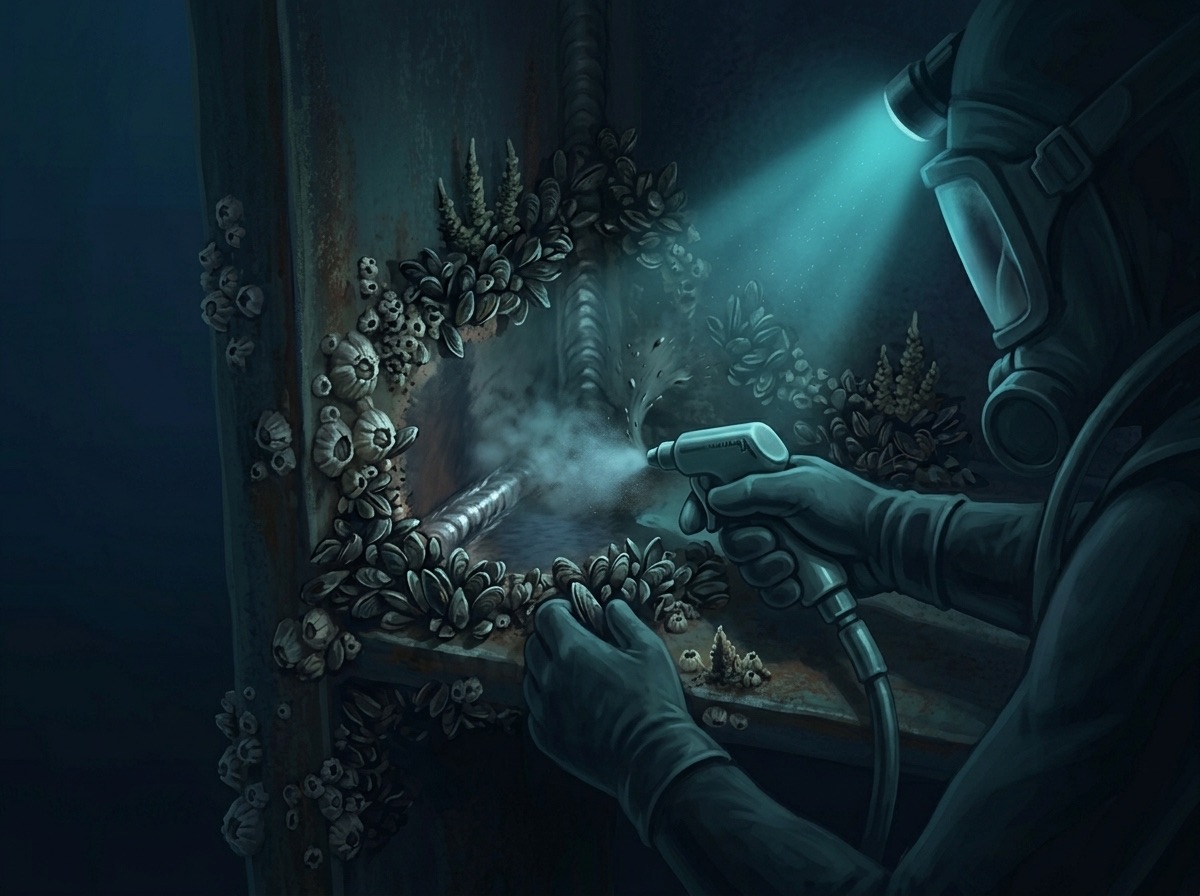
Illustration of a diver using a handheld pistol-grip tool to clean mussels and barnacles from a niche corner of a steel structure

Subsea Pistol

In market

Handheld niche-area cleaner

A compact pistol-grip tool for the corners, joints and recesses that larger surface cleaners cannot reach. Handles heavier fouling than fWasher, and is available with integrated suction where discharge must be collected.

  • Wash width 50 mm
  • Pressure 120–150 bar recommended
  • Fouling IMO Level 3 — incl. mussels, barnacles
Request a quote
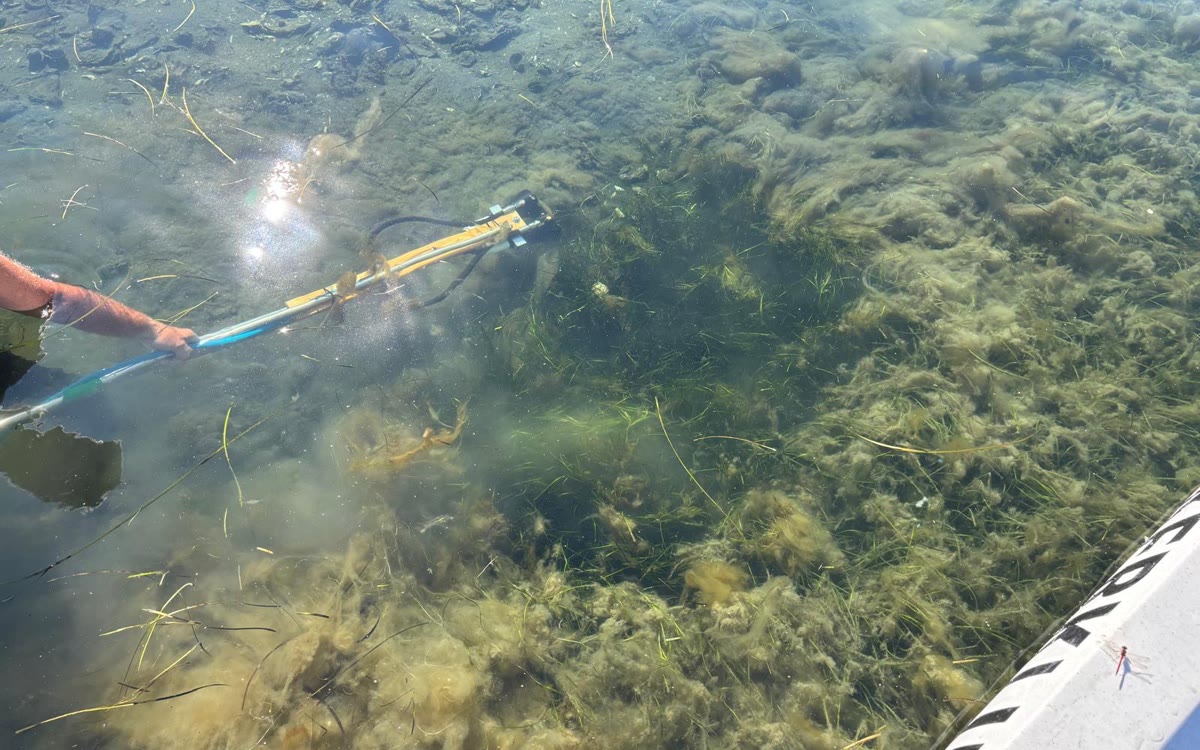
Photograph of Lurvetassen in use on lurv — dense filamentous algae — in shallow water over an eelgrass bed

Lurvetassen

R&D — PoC validated

Gentle lurv removal for eelgrass beds

Eelgrass meadows in the Oslofjord are being smothered by lurv — dense mats of filamentous algae. Lurvetassen removes the biomass gently, leaving the shoots and root systems undisturbed, and takes it out of the water rather than spreading it. The proof of concept is validated; a funded R&D project is underway with field pilots and independent environmental monitoring.

  • Method Gentle removal — no raking, no scraping
  • Collection Biomass removed from the water
  • Monitoring Before/after eelgrass condition, turbidity
Discuss a pilot

fHull

In development

Closed-loop hull niche washing

Commercial and naval hulls foul disproportionately in niche areas — thruster tunnels, sea chests, keel and rudder zones — that standard tools cannot reach. fHull washes them with cavitation jets inside a flexible rubber funnel that seals the wash zone, then suctions all wastewater topside for filtration and UV treatment before clean water is returned to the sea.

  • Cleaning Cavitation nozzles, 100–300 bar
  • Containment Zero open discharge to the water
  • Treatment Multi-stage filtration to 10 µm + UV
Register interest

fWasher and Lurvetassen are shown in photographs; the Subsea Pistol image is a conceptual illustration.

See it in action

The fWasher removing barnacles from a submerged platform, filmed during subsea testing at the NYD diving school.

Sectors we serve

The same gentle, capture-first approach solves fouling problems across very different fleets and environments — wherever removing growth without collateral damage matters.

Subsea energy & infrastructure

Platforms, risers, and marine-energy structures where fouling has to come off without stripping the anti-fouling coating underneath. Our surface cleaners are proven subsea on submerged structures.

Commercial shipping & ports

A clean hull cuts drag and fuel use and limits the spread of invasive species between ports. As capture-and-treat becomes the required standard rather than an option, fHull cleans niche areas in-water with zero open discharge.

Marine restoration

Restoration work demands the gentlest touch of all. Lurvetassen lifts smothering algae off eelgrass meadows gently — no raking, no scraping, biomass removed from the water.

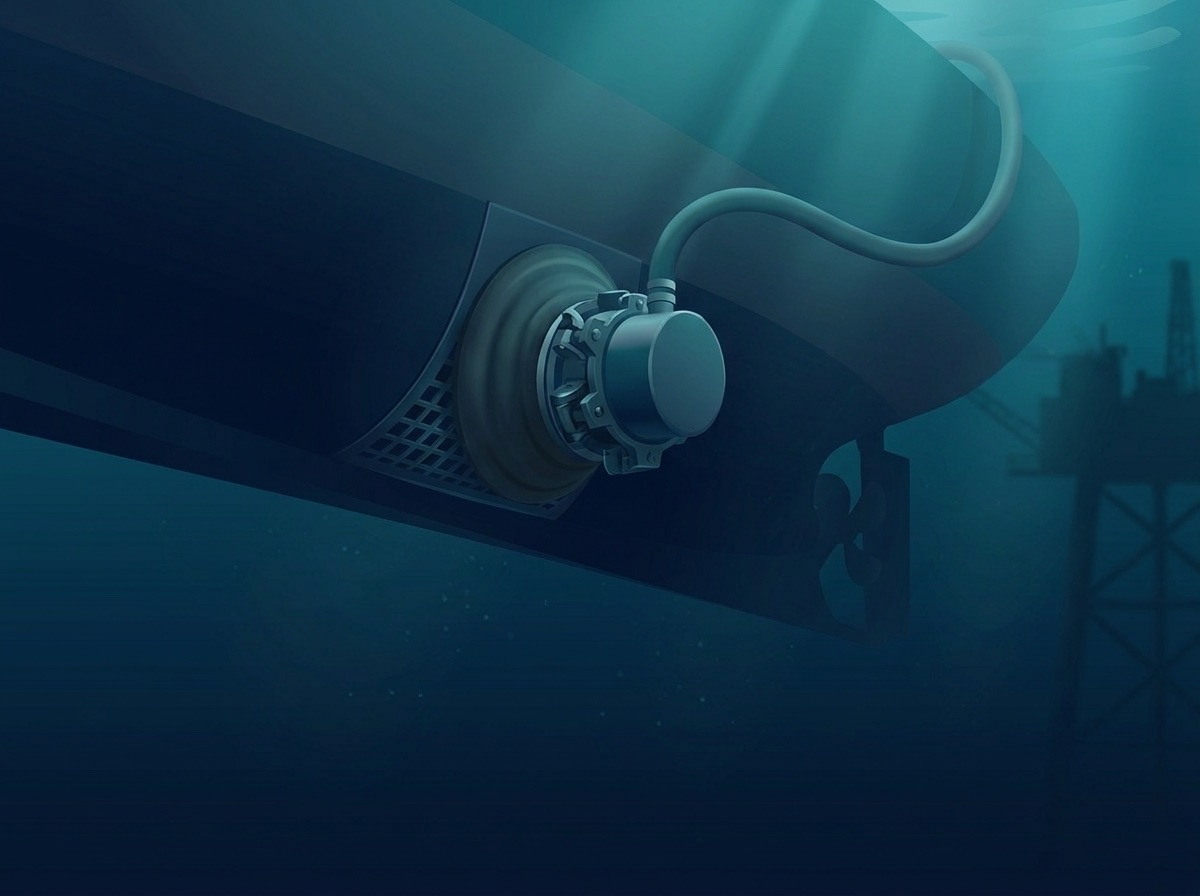
Illustration of a compact washing unit with a flexible funnel sealed against the sea-chest grating on a naval vessel's hull underwater

In focus

Naval

For naval fleets the stakes are higher: taking a vessel out of service and into drydock to clean its hull costs operational availability. The niche areas that foul worst — sea chests, thruster tunnels, keel and rudder zones — are exactly the ones standard tools reach poorly.

fHull cleans them in the water, sealing each niche behind a flexible funnel and capturing every drop of wash water for filtration and UV treatment. The hull — and the vessel — stays in service, while the operation meets the environmental standard in-water cleaning is increasingly held to.

Approach

Fouling and overgrowth are usually attacked with force: high-pressure jetting that strips anti-fouling coatings, or mechanical raking that uproots eelgrass and stirs up sediment. We take the opposite approach — low pressure, gentle handling, and discharge that can be collected instead of dispersed. It is an approach aligned with where environmental regulation is heading, not just where it is today.

Problem The aggressive solution The damage it causes The fDevices approach
Barnacles on submerged structures High-pressure jetting Strips anti-fouling coating fWasher — low pressure, coating-safe
Lurv smothering eelgrass Mechanical raking and scraping Uproots eelgrass, stirs sediment Lurvetassen — gentle removal, eelgrass left intact

Design constraints applied to every product

  1. Do no harm to what matters — the coating, the ecosystem, the operator.
  2. Simple to build, use, and maintain — no unnecessary complexity.
  3. Safe for operators — low pressure, controlled forces.
  4. Safe for the environment — discharge can be collected.
  5. Cost-effective — an accessible price point, not specialist-only.

Subsea operators and environmental authorities face growing regulatory pressure on the environmental impact of cleaning, the protection of expensive coatings, and the management of invasive species. IMO biofouling guidelines and the strictest regional regimes already point the same way: capture-and-treat is becoming the required standard, not an option. Gentle-first design is our answer.

Methods & evidence

The portfolio rests on a small set of well-understood techniques — applied carefully and documented properly.

Low-pressure washing

Water jetting kept below the threshold that damages anti-fouling coatings — typically under 150 bar. It trades cleaning speed for coating preservation, operator safety, and discharge that is easier to collect. The key insight is the combination of low pressure with the right nozzle geometry.

Discharge collection

Capturing the water, debris and biological material dislodged during cleaning instead of letting it disperse — topside via hose, or subsea in diving bags. It addresses invasive-species rules and biocide runoff from coating particles, and is increasingly required in EU, Norwegian and US waters.

Cavitation cleaning

Specially designed nozzles generate clouds of vapour bubbles whose implosion dislodges fouling — without any tool touching the surface. Effective in confined geometries where rotating brushes and flat jets cannot reach, which is exactly where hull niche fouling accumulates.

Documented gentleness

Environmental work is designed from the start for scientific monitoring: before/after documentation of eelgrass condition and shoot density, turbidity measurements during operation, control areas, and validation by an independent marine biologist. Verified gentleness — not just claimed.

About

Three engineers who met at university. Combined expertise spans product development, design, testing, qualification, project management, and commercial strategy — built through years of developing and qualifying equipment for the oil & gas industry.

Geir Terje Nevøy

Naval Architect — technology development & testing

Extensive experience developing and testing new technology in the oil & gas and fishery industries. Master in Engineering.

Gunner Kommisrud

Design & after-market

Experienced designer and after-market expert with a background in oil & gas and automotive. Master in Engineering.

Christian Bakke

Project management & strategy

Experienced project manager and team leader from oil & gas and construction. Master in Strategic Management (MBA).

Get in touch

We work with subsea operators, ship owners and naval fleets, diving and underwater services contractors, port and environmental authorities, and marine restoration projects. If gentle, compliant cleaning is a problem you need solved — talk to us.

post@fdevices.no